
Across quiet allotments and backyard plots, a once-forgotten fruit tree is making a soft but steady comeback. The medlar (Mespilus germanica) — once found at the edge of fields and old cottage gardens — is stepping back into the frame. It’s a tree for people who want flavor without fuss, and fruit that arrives when most branches are already bare.
A Fruit with a Story
The medlar’s history stretches across Europe and into western Asia, where it grew among hawthorns and wild pears. It ripens late — well after apples and pears — and offers something no other fruit does: sweetness that comes only after decay. Its fruit, the medlar or “nèfle”, must “blet,” or soften past ripeness, before it tastes of spiced apple and honeyed quince.
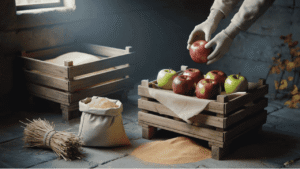
Centuries ago, families prized medlars as winter’s last orchard gift. The fruit, stored in cool sheds or wrapped in straw, would slowly caramelize through November, filling homes with a mellow, cider-like aroma.
A Tree for Modern Times
Botanists still debate its exact relation to hawthorn, but gardeners don’t bother — they love the medlar for its toughness and low demands. Give it decent drainage, some elbow room, and it’ll reward you without complaint. It handles light chalk soils, tolerates semi-shade, and stays productive even in variable weather.
Three forces explain its revival today:
- Reliability – It fruits steadily once mature.
- Low input – Few pests, minimal pruning.
- Timing – Fruit ripens when little else does.
In an era of hotter summers and unpredictable frosts, that combination is gold.
| Feature | Details |
|---|---|
| Botanical Name | Mespilus germanica |
| Mature Height | 3–5 metres |
| Hardiness | USDA Zones 5–8 |
| Fruiting Time | Late Oct–Nov |
| Soil Preference | Well-drained loam or chalk |
| Pollination | Usually self-fertile |
| Growth Form | Small deciduous tree or large shrub |
From Hard to Heavenly: The Bletting Magic
Fresh off the tree, medlars are firm, sour, and astringent. Leave them for a few weeks in a cool place, and the transformation begins. The fruit blets, meaning its flesh turns soft, brown, and richly perfumed. The texture becomes like apple butter, with hints of cinnamon and baked pear.
To blett properly:
- Pick fruits firm and full-sized, before frost softens them on the branch.
- Lay them in a single layer in a cool, ventilated space.
- Check twice a week; when they yield to pressure, they’re ready.

Eat the pulp with a spoon, or turn it into medlar jelly or butter — a glossy, amber preserve that pairs beautifully with blue cheese or roast meats.
Garden Worthy Varieties
Home growers often reach for ‘Nottingham’, a compact, heavy-cropping variety suited to small gardens. ‘Dutch’ (‘Hollandia’) bears large, handsome fruit; ‘Breda Giant’ offers richer flavor and bigger yields. If space is tight, trees grafted onto quince rootstock keep growth in check and fruiting early.
Design and Ecology
The medlar earns its place beyond the orchard. Its twisting winter branches give structure to bare gardens, while spring brings creamy blossoms loved by bees. You can use it as a focal patio tree, train it as a fan against a wall, or blend it into a mixed edible hedge with hawthorn, quince, and serviceberry.
Its dense canopy also shelters small birds and beneficial insects, giving it ecological weight beyond fruit.
(Image suggestion: /mnt/data/1d62bbcc-7a55-440c-aacc-4625ff4ea419.png — “Ripe medlars softening for winter use.”)
Care in Brief
- Watering: Only while young or during long dry spells.
- Pruning: Minimal — remove dead or crossing wood in late winter.
- Fertiliser: A spring mulch of compost is enough.
- Pests: Largely resistant; protect ripening fruit from birds and wasps.
- Site: Airy and sunny to prevent fungal issues.
For propagation, grafting onto quince or hawthorn gives reliable size and faster fruiting than seedlings. Keep tools clean if fire blight is present in your region and remove any infected shoots in winter.
Yield and Use
A mature tree can supply several kilograms of fruit — enough for jars of jelly, fruit butter, and a few late-season desserts. Try glazing pork with medlar jelly or spooning the pulp into yogurt. Its tart-sweet complexity balances rich foods beautifully.
Pair the medlar in your planting plan with late quince, crab apple, or persimmon to extend your harvest window and keep your pantry vibrant long after the first frosts.
Why the Medlar Matters Again
In a world chasing instant fruit, the medlar’s appeal lies in patience. You wait weeks for it to sweeten, and when it does, it rewards you with depth and fragrance you can’t fake. It’s a tree that fits today’s rhythm — low-maintenance, resilient, quietly generous.
Plant one now, and by the time apples fade next autumn, you’ll have a basket of soft, caramel-toned fruit waiting in the shed — proof that the best things, quite literally, come to those who wait.
FAQs
How long does a medlar take to fruit?
Usually three to five years after planting, sooner if grafted on quince.
Can you eat medlars straight from the tree?
No. They must be “bletted” — left to soften until brown and sweet inside.
What climate suits medlars best?
Cool-temperate zones with mild winters (USDA 5–8) and moderate rainfall.
Are medlars self-fertile?
Yes, most varieties are, though nearby pollinators can improve yields.
How should bletted fruit be stored?
Keep in a cool, airy shed for up to two weeks or turn into jelly for long storage.